


Everything You Need to Know About Polyethylene – the Universal Industrial Plastic
What is Polyethylene?
Polyethylene, often abbreviated as PE, is the most commonly produced type of plastic worldwide. It is a polymer created through the polymerization of ethylene, a simple chemical compound made of carbon and hydrogen. Polyethylene is characterized by high elasticity, chemical resistance and low thermal conductivity. This combination of properties makes it widely used across various industries.
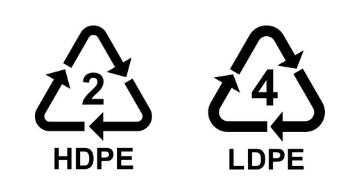
Types of Polyethylene
- LDPE (Low-Density Polyethylene): A low-density, soft, and flexible type of polyethylene.
- HDPE (High-Density Polyethylene): A high-density polyethylene known for greater rigidity and resistance to higher temperatures.
Applications of Polyethylene
- Packaging: Bags, films, containers.
- Piping: Pipes for transporting water and gas.
- Automotive parts: Fuel tanks, interior components.
- Everyday products: Bottles, toys, kitchenware.
Polyethylene in Our End Caps
- Durability: Our end caps must resist mechanical damage, and polyethylene provides excellent strength.
- Chemical Resistance: PE does not react with most chemicals, which is essential for end caps used in different environments.
- Easy Processing: Polyethylene is easy to shape and form, allowing us to produce end caps in many shapes and sizes.
- Cost Efficiency: PE is relatively inexpensive to produce, enabling us to offer high-quality products at competitive prices.
Technical Properties of Our End Caps
- Excellent sealing: They prevent leaks and contamination.
- Long service life: Resistant to weather conditions and UV radiation.
- Easy installation: Can be installed quickly without special tools.
Summary
Polyethylene is a versatile material used to manufacture high-quality products in many industries. At our company, we use its unique properties to produce end caps that play a key role in various systems and structures. Our end caps combine durability, functionality and cost-efficiency, making them an ideal choice for a wide range of applications.